#QuantitativeResearch

20 posts loaded — scroll for more

Text
statswork
statswork

How Statistical Data Analysis Helps Researchers Make Better Decisions

Introduction

In today’s data-driven research environment, statistical data analysis and advanced data analysis techniques play a crucial role in transforming raw information into meaningful insights. Researchers across disciplines such as healthcare, social sciences, business, and engineering rely on structured research data analysis to draw reliable conclusions. Without proper data analysis, even the most carefully collected data may fail to provide useful results. Statistical analysis methods help researchers identify patterns, test hypotheses, and validate findings with accuracy and confidence.

Statistical data analysis allows researchers to organize large datasets, identify relationships among variables, and make informed decisions based on evidence rather than assumptions. By applying appropriate data interpretation methods and statistical analysis techniques, researchers can ensure that their findings are reliable, reproducible, and meaningful for academic or practical applications.

Understanding Statistical Data Analysis

Statistical data analysis refers to the systematic process of collecting, organizing, interpreting, and presenting data using statistical techniques. It is an essential component of data analytics and research methodology, helping researchers convert raw numbers into valuable insights.

In research studies, research data analysis helps convert complex numerical data into understandable results. Researchers often use statistical software and analytical tools to perform calculations, visualize trends, and interpret outcomes. These analytical processes help determine whether research hypotheses are supported by the collected data.

Organizations like Statswork provide professional data analysis services that support researchers, universities, and businesses in performing accurate statistical analysis and research data interpretation.

Importance of Statistical Data Analysis in Research

Statistical analysis plays a vital role in ensuring that research findings are accurate and meaningful. When researchers gather data through surveys, experiments, or observational studies, the raw information alone cannot provide clear conclusions. Proper data analysis and interpretation helps organize the information and extract useful insights.

One of the key benefits of statistical data analysis is that it reduces uncertainty in research findings. By applying reliable statistical analysis methods, researchers can measure relationships between variables and determine whether results are statistically significant. This process improves the reliability of research outcomes and supports evidence-based decision making.

Another important advantage is that quantitative data analysis helps researchers identify patterns and trends that may not be immediately visible in raw datasets. These patterns often lead to valuable discoveries and improved understanding of complex research problems.

Key Steps in the Statistical Data Analysis Process

The process of data analysis in research typically follows several important steps that help ensure accurate interpretation of research data.

The first step is data collection, where researchers gather relevant information using surveys, experiments, interviews, or observational studies. This stage is often supported by professional data collection services offered by research analytics companies like Statswork.

Once the data is collected, it must be organized and cleaned to remove errors, inconsistencies, or missing values. This step is essential for maintaining the quality of research data analysis.

The next step is data exploration, where researchers examine datasets using descriptive statistics such as mean, median, frequency distribution, and standard deviation. This helps researchers understand the basic structure of the dataset.

After exploring the data, researchers apply statistical analysis techniques such as regression analysis, correlation analysis, hypothesis testing, and variance analysis. These techniques are widely used in quantitative data analysis to determine relationships between variables.

Finally, researchers perform data interpretation and reporting, where findings are explained using charts, graphs, and tables. Clear data interpretation allows researchers to communicate their results effectively.

Role of Statistical Analysis in Decision Making

Statistical data analysis significantly improves decision-making in research by providing objective evidence to support conclusions. Instead of relying on assumptions, researchers can make decisions based on measurable data and reliable statistical evidence.

For example, in medical research, statistical analysis helps determine whether a treatment is effective or whether observed improvements are due to chance. In business research, data analytics and statistical analysis can identify customer behavior patterns and guide strategic decision-making.

With expert support from Statswork statistical consulting services, researchers can perform advanced research data analysis and obtain reliable insights that support effective research decisions.

Common Statistical Techniques Used in Research

Researchers apply several statistical analysis methods depending on the type of research and data.

Descriptive statistics summarize the main characteristics of a dataset using averages, percentages, and frequency distributions.

Inferential statistics allow researchers to make predictions about a population based on sample data. Techniques such as hypothesis testing and confidence intervals are widely used in quantitative research analysis.

Regression analysis examines relationships between variables and helps researchers understand how changes in one variable influence another. This technique is frequently used in economics, healthcare research, and market research analysis.

Correlation analysis measures the strength and direction of relationships between variables, helping researchers identify patterns in large datasets.

Benefits of Statistical Data Analysis for Researchers

Statistical data analysis offers several advantages that improve the overall quality of research.

First, it helps researchers manage large volumes of information through structured data analysis techniques. Complex datasets become easier to interpret when organized with statistical tools.

Second, quantitative data analysis and qualitative data analysis improve the accuracy of research findings. Using appropriate analytical techniques reduces the risk of errors and misleading conclusions.

Third, proper statistical data analysis strengthens the credibility of research studies. Academic journals and research institutions often require strong statistical evidence before accepting research publications.

Finally, professional data analytics services from companies like Statswork help researchers and organizations transform complex datasets into meaningful research insights.

Challenges in Statistical Data Analysis

Although statistical analysis in research is essential, it can also present challenges. Selecting the correct statistical analysis method is critical for obtaining accurate results. Using inappropriate analytical techniques may lead to incorrect conclusions.

Another challenge is data quality. Incomplete or inconsistent datasets can negatively impact research data analysis and affect the reliability of findings.

Additionally, interpreting statistical outputs requires expertise. Researchers must understand statistical models and data interpretation techniques to avoid errors in analysis.

Role of Professional Data Analysis Services

Many researchers and organizations rely on professional data analysis services and statistical consulting services to ensure accurate results. Expert analysts apply advanced statistical analysis methods, perform data cleaning, and generate meaningful research reports.

Statswork offers specialized data analysis services, including quantitative data analysis, qualitative data analysis, statistical modeling, data visualization, and research data interpretation. These services help researchers achieve accurate and reliable results in academic and business research projects.

By working with experienced analysts from Statswork, researchers can focus on their research objectives while ensuring that their data is analyzed with precision and expertise.

Conclusion

Statistical data analysis is a critical component of modern research and data analytics. It enables researchers to transform raw datasets into valuable insights that support accurate conclusions and better decision-making.

Through structured data analysis techniques, statistical testing, and proper data interpretation, researchers can identify patterns, test hypotheses, and validate their research findings.

As research continues to generate large volumes of data, the importance of data analysis services and statistical consulting services will continue to grow. With professional support from statswork, researchers can ensure accurate analysis, reliable research outcomes, and evidence-based decision-making that contributes to scientific advancement and practical solutions.

Text
statswork
statswork

Power & Sample Size Calculation: A Complete Guide for Accurate Research Design

Introduction

In research, selecting the correct number of observations or participants is critical for obtaining reliable and valid results. This is where Power and Sample Size Calculation becomes essential. Many researchers often ask what is power and sample size calculation in research and how it influences the success of a study.

Sample size calculation in research ensures that the study includes enough data to detect meaningful effects while avoiding unnecessary data collection. At the same time, statistical power analysis helps determine the probability that a statistical test will correctly identify a significant result when it exists.

From clinical trial sample size calculation to sample size calculation for surveys, accurate planning of statistical power and sample size is a fundamental component of modern research methodology.

What is Power & Sample Size Calculation in Research?

Understanding what is power and sample size calculation in research is important for designing scientifically valid studies.

Power & Sample Size Calculation is a statistical technique used to determine the minimum number of observations required to detect a true effect in a dataset. This process combines statistical power analysis, sample size determination in statistics, and effect size estimation.

Researchers often perform power analysis for research studies during the research design stage to ensure the study has sufficient power to detect meaningful relationships between variables.

Proper sample size planning in research design improves research reliability and prevents underpowered studies.

Importance of Sample Size Calculation in Research

Accurate sample size determination in statistics plays a key role in ensuring that research findings are valid and statistically significant.

Improves Research Accuracy

Correct research sample size estimation ensures that statistical tests produce meaningful results and reduce errors.

Prevents Underpowered Studies

Studies with insufficient participants may fail to detect true relationships, highlighting the importance of power analysis in statistical research.

Saves Resources

Proper sample size planning in research design helps researchers avoid collecting unnecessary data.

Supports Ethical Research

In fields such as healthcare and medicine, clinical trial sample size calculation ensures ethical and efficient study design.

Statistical Power in Data Analysis

Statistical power in data analysis represents the probability that a statistical test will detect a true effect if it exists.

Researchers commonly set statistical power at 80% or 90%, meaning there is a high probability that the study will identify significant results when they occur.

Key factors affecting statistical power and sample size include:

  • Effect size
  • Significance level (alpha)
  • Sample size
  • Variability in the dataset

Increasing the sample size is one of the most common strategies for improving statistical power analysis.

Effect Size and Power Analysis

One of the most important components of effect size and power analysis is measuring the magnitude of the relationship between variables.

A larger effect size usually requires a smaller sample size, while a smaller effect size requires a larger dataset.

Researchers performing power analysis for hypothesis testing must carefully estimate effect sizes to determine appropriate sample sizes.

Sample Size Calculation for Quantitative Research

In quantitative research sample size planning, determining the correct number of participants ensures that statistical tests such as regression analysis, correlation analysis, and hypothesis testing produce valid results.

Common scenarios include:

  • Sample size calculation for quantitative research studies
  • Sample size calculation for surveys in social sciences
  • Sample size calculation for hypothesis testing in experimental studies
  • Statistical study design sample size estimation for observational research

Accurate statistical sample size estimation improves the credibility of research findings.

Power Analysis for Regression Analysis

In advanced research models, power analysis for regression analysis helps researchers determine whether the dataset is sufficient to detect relationships between variables.

Regression models require adequate sample sizes to ensure:

  • Stable coefficient estimates
  • Reliable hypothesis testing
  • Accurate model predictions

Researchers often conduct statistical power analysis for regression studies to validate their research design.

Sample Size Calculation for Clinical and Survey Research

Power and sample size calculations are widely used across different research domains.

Clinical Research

In healthcare studies, statistical power analysis for clinical trials ensures that medical treatments and interventions are evaluated using adequate sample sizes.

Survey Research

For social science and market research, sample size calculation for surveys helps researchers determine how many respondents are required to represent a target population accurately.

How to Calculate Sample Size for Research Studies

Many researchers ask how to calculate sample size for research studies when designing a project.

The process typically includes:

  1. Defining research objectives
  2. Selecting the appropriate statistical test
  3. Estimating expected effect size
  4. Choosing significance level and statistical power
  5. Conducting power analysis using SPSS or other statistical tools

This process helps ensure accurate research methodology sample size calculation.

Tools for Power Analysis and Sample Size Determination

Researchers use various statistical software tools for power analysis and sample size determination guide calculations.

SPSS

Researchers often perform power analysis using SPSS to estimate appropriate sample sizes for hypothesis testing and regression models.

R Programming

R provides packages that support advanced statistical power analysis and simulation-based sample size calculations.

G*Power

G*Power is widely used for power analysis for hypothesis testing and academic research planning.

SAS

SAS is commonly used for clinical trial sample size calculation and large-scale statistical studies.

Importance of Sample Size in Statistical Research

Understanding the importance of sample size in statistical research helps researchers design effective studies.

Key benefits include:

  • Reliable statistical results
  • Improved research validity
  • Reduced sampling bias
  • Better decision-making

Proper statistical study design sample size planning increases the credibility of research outcomes.

Professional Power & Sample Size Calculation Services

Researchers handling complex datasets often seek professional power and sample size calculation services for expert guidance.

Professional statisticians help with:

  • Research methodology sample size calculation
  • Statistical power analysis
  • Sample size calculation for quantitative research
  • Statistical power analysis for regression studies
  • Clinical trial sample size calculation

These services ensure accurate statistical planning for research projects.

Power & Sample Size Calculation Services at Statswork

Statswork provides expert power and sample size calculation services to support researchers, academic scholars, and organizations worldwide.

Our services include:

  • Statistical power analysis for clinical trials
  • Sample size calculation for surveys and research studies
  • Power analysis for regression analysis
  • Research sample size estimation
  • Statistical study design sample size planning

With advanced expertise in statistical software and research methodology, Statswork helps researchers design studies with optimal statistical power and accurate sample size estimation.

Conclusion

Power & Sample Size Calculation is a fundamental aspect of research design that ensures studies are capable of detecting meaningful effects. Through statistical power analysis, sample size determination in statistics, and accurate effect size estimation, researchers can design studies that produce reliable and valid results.

Understanding how to calculate sample size for research studies and applying power analysis for hypothesis testing allows researchers to conduct scientifically sound research. Proper sample size planning in research design improves research credibility and prevents underpowered studies.

For researchers seeking expert support, Statswork offers professional power and sample size calculation services, helping ensure accurate statistical power in data analysis, reliable research outcomes, and successful academic publications.

Text
statswork
statswork

Statistical Interpretation: How to Interpret Statistical Analysis Results in Research

Introduction

In modern research and analytics, data alone does not provide meaningful insights unless it is properly understood. This is where statistical interpretation becomes essential. Researchers often ask what is statistical interpretation in research and why it plays such an important role in explaining data results.

Statistical data interpretation involves analyzing statistical outputs and translating them into clear explanations that answer research questions. From academic studies to market research and healthcare analytics, the interpretation of statistical results helps transform raw numbers into valuable knowledge.

Organizations and researchers increasingly rely on statistical interpretation services and data analysis services to accurately understand complex datasets and communicate findings effectively.

What is Statistical Interpretation in Research?

Many researchers wonder what is statistical interpretation in research and how it differs from statistical analysis.

Statistical analysis focuses on applying mathematical methods to data, while statistical interpretation explains what those results mean in the context of the research objectives.

The interpretation of statistical results involves:

  • Understanding statistical outputs
  • Evaluating statistical significance
  • Explaining relationships between variables
  • Drawing research conclusions

For example, after performing regression analysis, researchers must conduct regression analysis interpretation to explain how one variable influences another.

Without proper interpretation, statistical results may be misunderstood or incorrectly applied.

Importance of Statistical Data Interpretation

Statistical data interpretation is a critical part of research because it helps transform numerical outputs into meaningful conclusions.

Converts Data into Insights

Data analysis generates results, but data insights from statistical analysis help researchers understand patterns and relationships within the dataset.

Supports Evidence-Based Decisions

Businesses, healthcare professionals, and academic researchers rely on research data interpretation to make informed decisions.

Improves Research Accuracy

Correct statistical analysis interpretation ensures that research findings are reliable and scientifically valid.

Enhances Research Reporting

Clear statistical reporting in research improves the readability and credibility of academic papers and research publications.

Key Elements of Statistical Interpretation

P-Value Interpretation

A p-value interpretation helps determine whether the research findings are statistically significant. Researchers often study how to interpret p-values and confidence intervals when evaluating hypothesis testing results.

Confidence Interval Explanation

A confidence interval explanation provides a range of values within which the true population parameter is likely to fall.

Effect Size Interpretation

Effect size interpretation measures the strength of the relationship between variables, helping researchers understand the practical importance of results.

Hypothesis Testing Interpretation

In research studies, hypothesis testing interpretation determines whether the null hypothesis should be accepted or rejected.

How to Interpret Statistical Analysis Results

Researchers frequently search for how to interpret statistical analysis results when analyzing their datasets. The process usually involves the following steps:

  1. Examine descriptive statistics and data distribution
  2. Evaluate hypothesis testing results
  3. Analyze regression coefficients and relationships
  4. Interpret statistical significance levels
  5. Explain the practical implications of findings

Proper statistical results explanation ensures that readers understand the meaning behind statistical outputs.

Interpretation of Regression Analysis Results

One of the most common statistical techniques in research is regression analysis. Understanding the interpretation of regression analysis results in statistics helps researchers determine how independent variables affect dependent variables.

Regression analysis interpretation includes:

  • Examining regression coefficients
  • Evaluating model significance
  • Understanding variable relationships
  • Assessing prediction accuracy

This process is widely used in economics, marketing research, healthcare analytics, and social science research.

Understanding Statistical Significance in Data Analysis

Many researchers struggle with understanding statistical significance in data analysis. Statistical significance indicates whether observed results are likely due to chance.

For example:

  • If the p-value is less than 0.05, results are considered statistically significant
  • If the p-value is greater than 0.05, the findings may not be statistically meaningful

However, researchers must also evaluate effect size interpretation and real-world implications rather than relying only on statistical significance.

Interpreting SPSS Output for Research Studies

Statistical software tools help researchers analyze large datasets efficiently. One common task is interpreting SPSS output, which includes tables, coefficients, significance values, and descriptive statistics.

SPSS is widely used for:

  • Hypothesis testing
  • Regression analysis
  • ANOVA analysis
  • Descriptive statistics

Understanding statistical data analysis and interpretation from SPSS output helps researchers present accurate results in academic research papers.

Statistical Interpretation and Reporting in Research Studies

Clear statistical interpretation and reporting in research studies is essential for communicating results effectively.

Researchers must explain:

  • Research objectives
  • Data analysis methods
  • Statistical results explanation
  • Practical implications of findings

Proper statistical reporting in research ensures that readers can easily understand complex statistical information.

Professional Statistical Interpretation Services

Many researchers seek professional statistical interpretation services online when dealing with complex datasets or advanced statistical models.

Professional experts assist with:

  • Statistical data interpretation for academic research
  • How to explain statistical results in a research paper
  • Interpretation of regression and hypothesis testing results
  • Preparation of publication-ready research reports

These services help researchers save time and ensure accurate interpretation of statistical outputs.

Benefits of Statistical Interpretation Services for Research Studies

Using statistical interpretation services for research studies offers several advantages:

  • Accurate statistical analysis interpretation
  • Clear statistical results explanation
  • Improved research statistics interpretation
  • Better statistical reporting in research
  • Enhanced quality of academic publications

Professional support ensures that statistical findings are correctly interpreted and effectively communicated.

Best Practices for Research Statistics Interpretation

To improve research statistics interpretation, researchers should follow several best practices.

Understand Research Objectives

Always interpret statistical results based on the research question and study objectives.

Verify Statistical Assumptions

Check whether the assumptions required for statistical tests are satisfied.

Use Clear Visualizations

Charts and graphs help illustrate data insights from statistical analysis.

Avoid Misinterpretation

Ensure that correlation is not mistakenly interpreted as causation.

Provide Contextual Explanation

Explain how to explain statistical results in a research paper so readers understand the significance of the findings.

Conclusion

Statistical interpretation is an essential step in the research process that transforms statistical outputs into meaningful insights. From p-value interpretation and confidence interval explanation to regression analysis interpretation, researchers must carefully analyze and explain statistical results to ensure accurate conclusions.

Understanding how to interpret statistical analysis results allows researchers to communicate findings clearly and support evidence-based decisions. Whether it involves interpreting SPSS output, evaluating statistical significance, or preparing research reports, proper interpretation ensures that statistical data contributes to valuable research knowledge.

For researchers handling complex datasets, professional statistical interpretation services online can provide expert guidance and support. Statswork offers specialized statistical interpretation services to help researchers, PhD scholars, and organizations accurately interpret research data, explain statistical findings, and prepare high-quality research reports.

With the expertise of statswork, researchers can ensure precise research data interpretation, clear statistical reporting, and reliable research outcomes that support successful academic publications and data-driven decision-making.

Text
essaywritting12
essaywritting12

Random Sampling vs Random Assignment: 5 Differences That Make or Break a Study
Learn more here https://tr.ee/KjN53W

-

Text
mit-liebe-xo
mit-liebe-xo

I’m writing a codebook and doing some data cleaning for work and my god is this a total cluster fuck.

Also my brain is not wired to understand numbers.

Text
devilwearsgrillz
devilwearsgrillz

I hate writing quantitative papers!!!!

Text
spadesurvey
spadesurvey
Text
spadesurvey
spadesurvey

Market Research in South Korea:Market research in Korea assists organizations in understanding South Korea’s rapid technological innovation, high consumer purchasing power, and competitive business environment. It also helps firms understand the cultural differences that influence purchase decisions. Whether it’s looking into new product releases or monitoring market trends, Korean businesses rely on thorough market research to make informed and strategic decisions that propel them forward in this fast-paced industry.

Text
spadesurvey
spadesurvey

𝐌𝐚𝐫𝐤𝐞𝐭 𝐑𝐞𝐬𝐞𝐚𝐫𝐜𝐡 𝐢𝐧 𝐄𝐮𝐫𝐨𝐩𝐞:𝐌𝐚𝐫𝐤𝐞𝐭 𝐫𝐞𝐬𝐞𝐚𝐫𝐜𝐡 𝐢𝐧 𝐄𝐮𝐫𝐨𝐩𝐞 𝐢𝐧𝐜𝐥𝐮𝐝𝐞𝐬 𝐜𝐨𝐥𝐥𝐞𝐜𝐭𝐢𝐧𝐠 𝐚𝐧𝐝 𝐞𝐯𝐚𝐥𝐮𝐚𝐭𝐢𝐧𝐠 𝐝𝐚𝐭𝐚 𝐭𝐨 𝐛𝐞𝐭𝐭𝐞𝐫 𝐮𝐧𝐝𝐞𝐫𝐬𝐭𝐚𝐧𝐝 𝐜𝐮𝐬𝐭𝐨𝐦𝐞𝐫 𝐛𝐞𝐡𝐚𝐯𝐢𝐨𝐫, 𝐢𝐧𝐝𝐮𝐬𝐭𝐫𝐲 𝐭𝐫𝐞𝐧𝐝𝐬, 𝐚𝐧𝐝 𝐜𝐨𝐦𝐩𝐞𝐭𝐢𝐭𝐢𝐯𝐞 𝐝𝐲𝐧𝐚𝐦𝐢𝐜𝐬. 𝐈𝐭 𝐮𝐬𝐞𝐬 𝐚 𝐯𝐚𝐫𝐢𝐞𝐭𝐲 𝐨𝐟 𝐚𝐩𝐩𝐫𝐨𝐚𝐜𝐡𝐞𝐬, 𝐢𝐧𝐜𝐥𝐮𝐝𝐢𝐧𝐠 𝐬𝐮𝐫𝐯𝐞𝐲𝐬 𝐚𝐧𝐝 𝐟𝐨𝐜𝐮𝐬 𝐠𝐫𝐨𝐮𝐩𝐬, 𝐚𝐬 𝐰𝐞𝐥𝐥 𝐚𝐬 𝐝𝐚𝐭𝐚 𝐚𝐧𝐚𝐥𝐲𝐭𝐢𝐜𝐬 𝐚𝐧𝐝 𝐜𝐨𝐦𝐩𝐞𝐭𝐢𝐭𝐢𝐯𝐞 𝐢𝐧𝐭𝐞𝐥𝐥𝐢𝐠𝐞𝐧𝐜𝐞.

Text
pointconsultancydxb
pointconsultancydxb

Quantitative Research: Driving Data-Backed Business Decisions

Quantitative research is a critical method for organizations seeking to make strategic decisions based on concrete, numerical data. By focusing on measurable variables and using structured tools such as surveys, polls, and statistical analysis, quantitative research provides objective insights that help businesses evaluate performance, understand customer preferences, and forecast trends with confidence.

At the heart of quantitative research lies its ability to generate statistically significant findings from large sample sizes. This makes it especially useful for identifying patterns in consumer behavior, market demand, product satisfaction, and brand awareness. Whether launching a new product or refining an existing marketing strategy, businesses can rely on hard data to back their decisions and reduce guesswork.

This type of research is ideal for market segmentation. Through demographic, geographic, psychographic, or behavioral data collection, quantitative research helps categorize your audience into distinct segments. These segments then allow for targeted marketing efforts, ensuring higher conversion rates and better customer experiences.

A major strength of quantitative research is its scalability and repeatability. Surveys can be distributed to thousands of respondents across various regions, and results can be replicated to validate findings over time. This level of consistency is essential when tracking customer satisfaction or brand sentiment across product cycles and geographic locations.

In product development, quantitative research plays a pivotal role in testing market interest and demand. By collecting customer feedback using rating scales, multiple-choice questions, or net promoter scores (NPS), companies can determine which features matter most and where improvements are necessary. This data can guide product design and investment decisions, minimizing risk and aligning outcomes with customer expectations.

When evaluating campaign performance, quantitative research provides critical KPIs such as engagement rates, click-through rates, and conversion rates. These metrics enable businesses to measure ROI, identify what works, and make evidence-based adjustments to their strategies. The clear, numerical outputs of quantitative methods support real-time decision-making and agile marketing approaches.

Customer satisfaction surveys, often used as part of a customer experience strategy, are another area where quantitative methods shine. Using rating scales or satisfaction indices, companies can measure the effectiveness of their service and address any shortcomings. Over time, trends in this data provide valuable insights into customer loyalty and retention.

Quantitative research is also foundational to forecasting and predictive analytics. By analyzing historical data and correlating variables, businesses can make accurate predictions about future trends, consumer behavior, and market conditions. These forecasts are essential for budgeting, inventory management, and long-term strategic planning.

In industries such as healthcare, finance, and retail, quantitative research is used to track performance metrics and ensure regulatory compliance. It provides the empirical data needed for policy making, risk assessment, and process optimization. This objectivity makes quantitative research not only reliable but also essential for business credibility and accountability.

One limitation of quantitative research is its focus on “what” rather than “why.” It tells you how many customers are satisfied or dissatisfied but doesn’t explain the reasons behind those numbers. However, when combined with qualitative methods, it offers a well-rounded view—quantifying issues while leaving room for deeper exploration.

To ensure accuracy, the success of quantitative research depends on proper sampling methods and well-structured questions. It’s important that the survey design is unbiased, clear, and aligned with your research objectives to generate actionable insights.

Ultimately, quantitative research empowers businesses with measurable, data-driven insights that form the backbone of strategic planning. Its focus on statistics, trends, and performance metrics ensures that decisions are not only informed but also justified. For any organization looking to optimize its processes and understand its audience, leveraging the full potential of quantitative research is a smart move toward sustainable growth.

Text
jaroeducations
jaroeducations

What is research design and its types

Understand research design, its types, and key aspects in this comprehensive guide. Learn about exploratory, descriptive, experimental, and other research designs to enhance your study’s effectiveness. Perfect for students, researchers, and professionals


Text
jaroeducations
jaroeducations

All You Need To Know About Research Design: Types And More

A research design is a significant part of any study as it is the roadmap of the study that shows the manner in which data is going to be collected, measured and analysed This guide focuses on the main types of research design as well as their significance. It provides information on the selection of the ideal concept of research design for any research study.

Read More

Photo
spadesurvey
spadesurvey

Spade Survey is the leading full-service market research agency operating across Saudi Arabia and the Middle East. Our clients receive the competitive edge they need to succeed in today’s rapidly evolving market thanks to our insights and implementable growth strategies.

photo
Photo
tutorsindia152
tutorsindia152

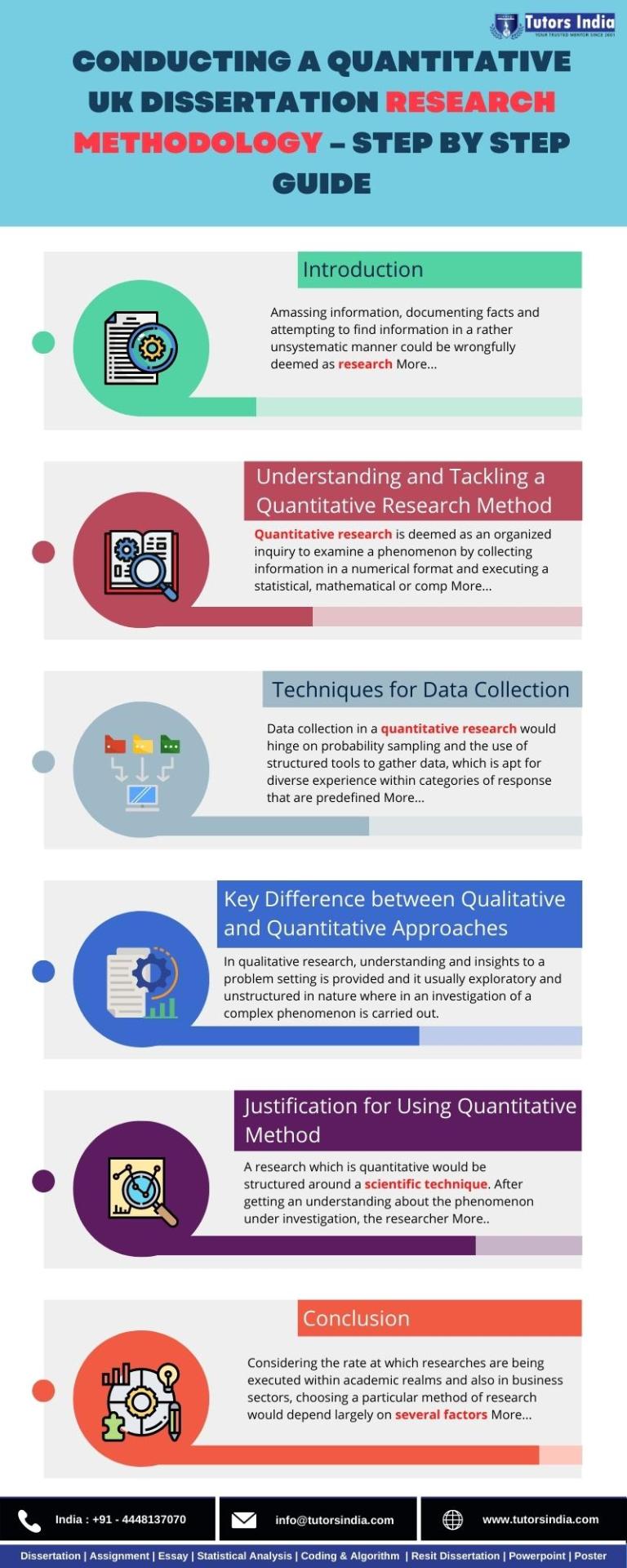
Directing a Quantitative UK Dissertation Research Methodology - Tutors India

We are showing a 6 Quantitative UK Dissertation Research Methodology Step By Step Guide. 6 Step by Step Guides: 

 · Introduction 

 · Understanding and Tackling a Quantitative Research Method

 · Techniques for Data Collection 

 · Key Difference between Qualitative and Quantitative Approaches 

 · Justification for Using Quantitative Method 

 · Conclusion  

photo
Link
spadesurvey
spadesurvey

What is a survey?(Definition, Benefits, Characteristics,Best Practices) |Spade Survey

What is a survey?(Definition, Benefits, Characteristics,Best Practices) |Spade Survey
www.spadesurvey.com
Text
spadesurvey
spadesurvey

What is a survey?(Definition, Benefits, Characteristics,Best Practices)

The most common and widely used tool for quantitative research is survey research. Surveys are used to collect data by asking relevant questions to respondents who are believed to have the relevant information we are looking for. In general, a formal list of questionnaires is prepared and distributed to respondents, who can then self-report their responses. Researchers use an open approach so that survey participants know exactly what they are answering.

In general, respondents are asked questions about their demographic information as well as the opinion that the researcher is interested in researching.

What is an online survey?

The most common and widely used tool for quantitative research is survey research. Surveys are used to collect data by asking relevant questions to respondents who are believed to have the relevant information we are looking for. In general, a formal list of questionnaires is prepared and distributed to respondents, who can then self-report their responses. Researchers use a non-disguised approach so that the participants of the survey know exactly what they are answering. In general, respondents are asked questions about their demographic information as well as the opinion that the researcher is interested in researching.

What are the Benefits of an online survey?

  1. Accuracy:The margin of error in an online research study is low because respondents register their responses using simple selection buttons. Traditional methods necessitate human intervention, which, according to one study, increases the margin of error by 10%.
  1. Easy and quick to analyse:Because all responses are recorded online, it is simple to analyse the data in real time. It is also prepared to draw conclusions and share the results.
  1. Ease of participation:Most people on this planet have internet access in this new-age technology-oriented universe. The survey is preferred over email by respondents. The ease of participation increases dramatically because respondents can choose a convenient time and location to register their responses.
  1. Great branding exercise:Organizations or businesses can develop their questionnaire to align with their brand in an online design. Using logos and similar brand language (colour and fonts) gives businesses an advantage because respondents can connect with the brand more easily.
  1. Respondents can be honest and flexible at the same time: According to a study, researchers discovered increased participation by respondents when online surveys were used instead of answering lengthy questions. By creating questionnaires that ask relevant questions, respondents are more honest with their responses and can skip the questions or choose a more neutral option, increasing their flexibility to respond.
  1. Survey templates: Leading online research tools provide ready-made survey templates designed by experts, making it easier for researchers to select and conduct their research study. These templates are vetted questionnaires that are industry-specific, making the study even more efficient.

Characteristics of a survey

1. Sampling

The audience who will fill out your survey as respondents is referred to as the sample. In order to generate the most insight, your sample should include respondents who have the required demographic characteristics that you plan to study as well as those who can answer the survey questions relevantly. The better the quality of your results, the more representative your sample.              

2. Survey Questions: How to design the right questions to ask?

The useful questions in the questionnaire that generate the insights that surveys generate. We have highlighted some key aspects of research questions:

• Whether you administer the survey via email, SMS, mobile apps, or traditional methods, the most important determinant of collecting accurate data complete responses is the nature of your survey questions.

• If you are using multiple choice questions in your survey, you can choose between whether your rating scale will be nominal, ordinal, ratio, or interval. You cannot proceed with the development of multiple choice questionnaires unless you know what kind of scale you will use.

3. Survey Logic: What is the logic behind your survey?

One of the most important aspects of a survey is its logic. Logic is used by researchers to ask respondent-relevant questions based on their current answers to a question. Survey skip logic enables you to create intelligent surveys that expose respondents to newer questions based on their responses to screening questions. Survey skips logic and branching characteristics include:

• Design: Here, the researchers design their logic behind the questions asked so that irrelevant questions to the respondents do not appear in the process.

4. Survey Methods

Survey research examines the detailed responses provided by members of the target population. A survey study includes processes and instruments that focus on asking different types of questions to a predetermined set of samples, data collection methods, and strategies for increasing survey response rates.

Why create surveys using a survey tool?

With digital software, it’s simple to create a follow-up or new survey. Spade Survey provides free survey templates that you can download and use right away. Because of lower setup and administrative costs, digital software can save your organisation time and money. It is more convenient for the customer or respondent because they can complete the survey on whichever digital device they prefer (tablet, computer, mobile device, etc). It’s also more convenient for you because you only need to send the survey link via email and the data will be available in your survey management software as soon as responses arrive.

Digital surveys are also scalable. You can distribute a survey to thousands of people and even translate it into multiple languages so that survey respondents can respond quickly (increasing the chance of gaining a reply).

Ways to improve your survey creation

A good survey appears to be simple to create at first glance. You simply ask the questions you want answered, correct? In reality, how you ask the question can influence the survey responses, so make sure your questions are unbiased, direct, and mutually exclusive. There are best practises to follow to ensure you get the best results, which we’ll go over in this section.1.Design the survey for your brandRegardless of who sends your online survey, make sure it matches your company’s branding. When you create a survey, it is still critical that the customer recognises it as coming from you so that they know it is legitimate and not a scam. This also helps to maintain overall brand consistency.2.Quality check your survey dataTo ensure accuracy, all data should be checked and double-checked. Take the online survey yourself before sending it to ensure there are no errors. Complete the survey on multiple devices to ensure that everything works properly. After you’ve gathered your data, go over the output and double-check that everything is correct.3. Avoid asking for personal info you don’t need or already haveRespondents want to share their thoughts, not their personal information. Don’t ask for a respondent’s information again if you already have it. If you collect sensitive data, make sure you follow internal policies, local laws, and the GDPR (if applicable). You should also ensure that the servers that house the data are secure and conduct periodic penetration tests to patch any vulnerability.4. Distribute your survey through the right channelsYour survey can be distributed via a variety of channels, including the web, email, social media, and so on. Distribute it through the channel your target audience is most likely to be on to ensure that the greatest number of people complete it.How to create a survey with a good design?As previously stated, a survey typically begins when a person, company, or organisation has a need for information and there is insufficient existing data. Consider the following recommendations:

  • Define objective:The survey would be meaningless if the goal and outcome were not planned before deploying it. The survey method and plan, as well as the research sample, should be in the form of actionable milestones. Appropriate distribution methods for these samples must also be established from the start.
  • The number of questions:The number of questions used in a market research study is determined by the research’s end goal. It is critical to avoid duplicate queries in any way possible. The length of the questionnaire must be determined solely by the primary data metrics that must be collected.
  • Simple language:One factor that can cause a high survey dropout rate is if the respondent finds the language difficult to understand. Therefore, it is imperative to use easily understandable text in the survey.
  • Question types: A survey can include a variety of question types. It is critical to use question types that add the most value to the research while being the easiest for respondents to understand and answer. Using closed-ended questions, such as Net Promoter Score (NPS) questions, or multiple-choice questions, can help boost survey response rates.
  • Consistent scales: If you use rating scale questions, make sure the scales are consistent throughout the study. Using scales ranging from -5 to +5 in one question and -3 to +3 in another may perplex a respondent.
  • Survey Logic: One of the most important aspects of survey design is logic. Respondents will be unable to proceed further or in the desired manner if the logic is flawed. Logic must be applied and tested to ensure that when an option is selected, only the next logical question appears.

Photo
gonomax
gonomax

Why Choose Report Hive Research:Report Hive Research delivers strategic market research reports, statistical surveys, industry“. The

Photo
researchfoxconsulting-blog--blog

To know more about us visit our website www.researchfox.com or contact us at

https://www.researchfox.com/contact

photo
Link
penmypaper-blog
penmypaper-blog

Quantitative Research: Aspects Of Quantitative Research Design

The question of how to execute quantitative research often arises in the minds of the students. To provide an answer to such questions and to draw an end to any confusion regarding this topic, we put forward this blog on quantitative research. Students are advised to go through it and gain an overview before starting to frame their paper. In case of requirement for expert writing solution, don’t forget to get in touch with PenMyPaper.

photo
Photo
ibigresearch-blog
ibigresearch-blog

#IBIResearchSolutions PVT. LTD. provide one the most affordable and high #qualityresearch solutions for #quantitativeresearch. Our rich experience and expertise in #quantitative #datacollection across industries play a vital role not only in providing you with the research solutions but also in providing you consultancy based on the analysis as well.
https://www.ibigrs.com/quantitative-research.html

photo