


Women in stockings.

Imagine living in a city that truly feels like it cares about you. That’s the exciting future we’re building. We’re moving beyond simple smart cities toward living, breathing habitats. This is where things get truly exciting: AI’s “hallucinations,” those super smart simulations, help us predict and fix traffic jams or energy waste before they happen. Meanwhile, robotics uses excellent new materials that can heal themselves to keep the city perfect and beautiful. It’s an architectural evolution where every building contributes to a better life. If that level of personalized attention isn’t pure futurism, I don’t know what is! What part of this hyper-responsive future are you most excited to experience?


urban systems feel quieter when they’re working right
data moves faster than people notice
learning how cities “listen” changed how I walk through them
invisible tech, visible impact

Rainy Night Streets StreetPhotography #UrbanRain #CinematicCity #NightPhotography #RainyMood #UmbrellaWalk
 ALT
ALT
Imagine a whole city popping up in Seattle every Sunday—then vanishing by Monday. 🏙️✨ Fremont’s one‑day‑a‑week market became a launchpad for makers, side hustles & a “Sunday economy.” Dive into how it reshaped work & neighborhoods: https://hyperlocalnews.website/wiki_en/a-sunday-city-within-a-city-how-fremonts-flea.html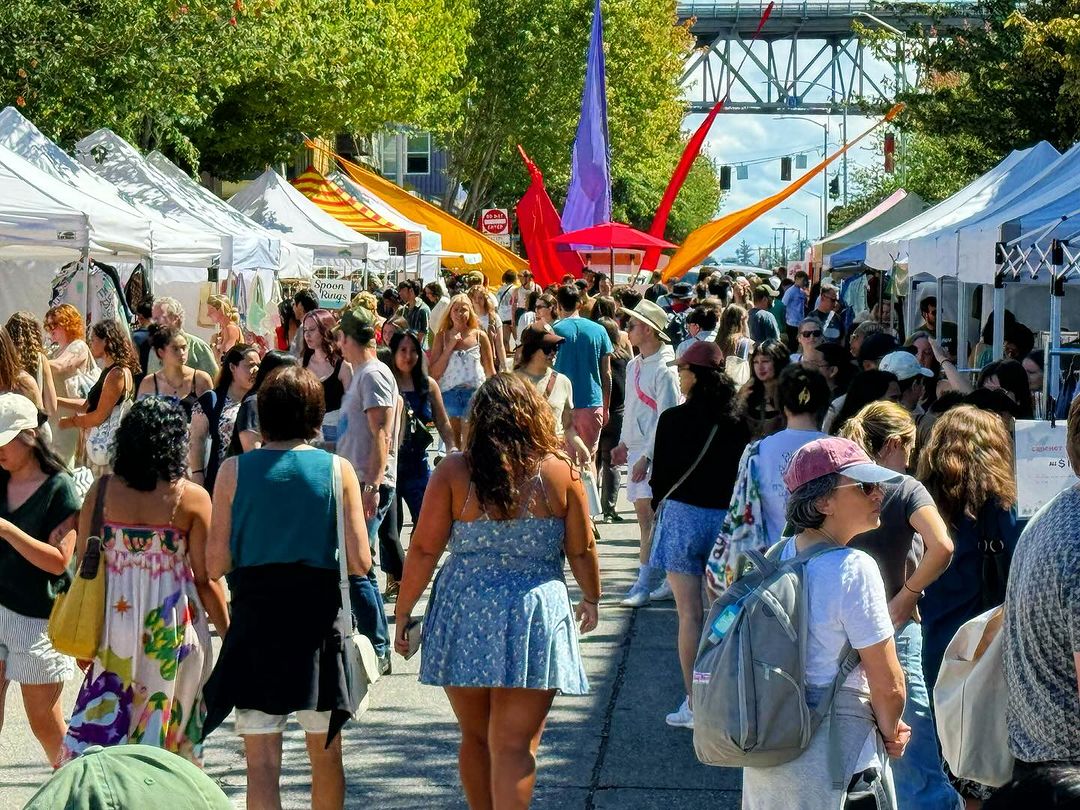
I used to think cities were mostly about people.
Crowds, routines, favorite routes, places we avoid at certain times of day. But the more I learn about urban technology, the more I realize cities are also about systems — ones we live inside without ever agreeing to their rules.
Traffic patterns decide when we’re late.
Energy grids decide when lights stay on.
Data decides what gets prioritized and what waits. ⚡
None of this feels personal, but it shapes personal lives every single day.
Modern cities aren’t one big machine. They’re thousands of smaller systems stacked on top of each other — transport, utilities, communication, public services — all trying to stay aligned.
What stood out wasn’t futuristic promises. It was practicality. The idea that cities don’t need to be reinvented — they need to be coordinated.
Good infrastructure quietly nudges behavior.
A well-timed signal reduces honking.
Reliable public systems reduce stress.
Clear information reduces confusion.
Technology doesn’t just optimize cities — it changes how people move through them. Learning about this made me realize how many of my daily choices are shaped by systems I didn’t consciously notice before.
It’s not control. It’s influence. And when it’s done well, it feels natural.
Cities are growing faster than ever. More people, more demand, more pressure on systems that were never designed for this scale.
That’s where technology becomes less about innovation and more about maintenance. Making sure things don’t collapse under their own complexity. Using data to understand patterns before they turn into problems. 📊
Reading about smart infrastructure shifted my perspective from “tech changes cities” to “tech helps cities keep up.”
What I like about this kind of technology is that it doesn’t pretend to solve everything.
Systems fail. Data is incomplete. Cities are messy. But good infrastructure tech accepts that mess and works with it instead of against it.
It’s less about creating perfect cities and more about creating ones that recover quickly, adapt reasonably, and don’t make daily life harder than it needs to be.
Now, when I move through urban spaces, I notice design choices more than devices.
Flow instead of flash.
Function instead of spectacle.
It makes cities feel less overwhelming — like imperfect systems doing their best to keep millions of lives moving forward at once.
There’s a version of the city that exists when we’re not paying attention.
Traffic lights adjusting themselves at odd hours. Systems syncing quietly. Data moving through networks while streets stay still. Most of us experience cities as noise and movement, but beneath that surface is something calmer — technology working patiently in the background.
I’ve been thinking about that layer lately. Not apps or gadgets, but the infrastructure that makes modern cities feel functional rather than chaotic. The kind of tech that doesn’t demand attention because it’s designed to disappear into everyday life.
Smart city technology isn’t about flashy screens or futuristic aesthetics. It’s about coordination. Timing. Systems talking to each other so people don’t have to think about them.
What stood out wasn’t the complexity — it was the restraint. The goal of this kind of technology isn’t to be noticed. It’s to reduce friction. Fewer delays. Better flow. Less confusion.
In a way, smart cities are less about intelligence and more about consideration.
Cities are full of unknowns: traffic patterns, energy demand, public services responding to real people with real schedules. Technology steps in not to control everything, but to replace guesswork with feedback.
Sensors gather data. Platforms analyze trends. Decisions get informed by patterns rather than assumptions. 📊
Learning about this made me realize how much of urban life depends on systems constantly checking themselves. Adjusting quietly. Fixing small inefficiencies before they turn into big frustrations.
We don’t usually think about infrastructure until it fails.
A signal outage. A traffic jam that shouldn’t exist. A service that suddenly stops working. But when things run smoothly, we move through cities without noticing the scaffolding holding everything together.
Understanding smart city tech changed how I walk through urban spaces. Streetlights feel intentional. Transit systems feel less random. Even delays feel less personal — more like signals within a larger system learning how to adapt.
There’s comfort in that perspective.
Not all innovation announces itself.
Some of it hums quietly behind dashboards and control rooms. Some of it lives in data charts that never leave internal screens. And some of it simply shows up as a city that feels slightly easier to live in than it did before.
That kind of progress doesn’t trend. It doesn’t go viral. But it shapes daily life in subtle, meaningful ways — and maybe that’s the point. 🌱

This Only Happened Once
No setup. No second take. Just the street doing what it does best when you don’t interrupt it. Blink and it’s gone.

Tall buildings shine and malls glow, making the country look successful. But many people work long hours, earn little, and sit in traffic every day. Prices rise, rest feels short, and comfort feels far away. This post shares why modern streets can still hide daily struggle and quiet exhaustion.
https://www.digitaltiangge.com/why-the-philippines-looks-rich-but-feels-poor-to-many


Chuyện Lớn Nơi Thành Phố Nhỏ (The Dream Maker 2026) đặt ra một câu hỏi rất hiện đại: khi thành phố trở thành trung tâm của mọi cơ hội, thì con người phải đánh đổi điều gì để tồn tại trong đó?
Bộ phim không kể về thành công theo nghĩa thông thường. Thay vào đó, nó tập trung vào những “khoảng giữa”: giữa mơ ước và thực tế, giữa an toàn và khát vọng, giữa việc sống cho bản thân và sống theo kỳ vọng.
Điều đáng giá là cách phim xây dựng sự im lặng. Nhiều quyết định quan trọng không được nói ra thành lời. Nhân vật lựa chọn trong thinh lặng, và người xem cũng phải tự đặt mình vào vị trí đó để hiểu.
Thành phố trong phim không phải kẻ thù, nhưng cũng không phải nơi chốn lý tưởng. Nó đơn giản là môi trường, nơi mọi tính cách và lựa chọn đều bị khuếch đại.
Ở góc độ xã hội, phim phản ánh rõ áp lực vô hình của đời sống đô thị hiện đại – điều mà rất nhiều người trẻ đang trải qua nhưng ít khi được nói đến một cách tinh tế như vậy
 ALT
ALT#streetstyle #y2kaesthetic #urbanvibes #neonmood #portraitedit


Hip Hop in Hong Kong.
Last night, I had the incredible opportunity to meet Tomi Yama, the lyrical genius whose words mirror the highs and lows of urban youth life. His songs beautifully explore the themes of identity, love, and resilience, resonating with listeners from all walks of life, both locally and internationally. 🌍🎶
As I approached him for a quick snap, I was struck not just by his talent but by his genuine warmth and sweetness. Meeting him felt like connecting with a friend who understands the journey we all navigate in this fast-paced world.
If you haven’t yet experienced his music, I highly recommend diving into his lyrics. They capture the essence of youth with such authenticity that you can’t help but relate!
What’s your favourite Tomi Yama song?

When you’re ready for the road…before you even wake up.💤
“If cities are designed only for cars, children will disappear from public life.” ~ Jan Gehl
This idea feels uncomfortably relevant in Manila, where prestige often arrives on four wheels while shared streets quietly vanish. When roads open themselves to play, movement, and simple joy, communities reappear almost instantly. Children return. Conversations happen. Cities remember who they are actually for.


Leaves hang like a curtain over the street in #Amsterdam.
Everyone passes through the same frame, each with their own pace.
What grabs you first, the sign or the motion?
#StreetPhotography #CyclingCulture #Bicycle #UrbanLife #PeopleCreativeCollection #Amir2000NLStory #CanonR5MarkII #AMIR2000NLPhotography


