Discover AIFunnelX, the revolutionary tool that allows you to build high-performance funnels and stunning landing pages in minutes, with absolutely no coding required! Whether you’re a freelancer, agency, or creator, AIFunnelX simplifies the entire process, from design to launch, helping you boost conversions and scale your business effortlessly. Stop wasting time on complex builders and start launching professional, mobile-optimized funnels that convert. Get AIFunnelX today and transform your online presence! #AIFunnelX #FunnelBuilder #LandingPages
Discover PromoPDF AI, the revolutionary tool for affiliate marketers, coaches, and digital product creators. Effortlessly generate high-converting lead magnets like ebooks, checklists, and guides in minutes using advanced AI, with zero writing or design skills required. This grand launch special offers private license access for a one-time payment, ending soon! Stop wasting time and money on traditional methods and start creating professional, profit-generating assets instantly. Get started today and transform your lead generation strategy! #PromoPDF #AIleadmagnets #DigitalProducts
Discover the future of education with AI Professor, the groundbreaking AI app that lets you create human-like teachers capable of explaining any topic, answering student questions, and even generating entire AI teacher websites for passive income. Powered by GPT-class language models and our proprietary Nano Bananas™ Teaching Engine, AI Professor requires no filming, no subject expertise, and no technical skills to use. Turn any topic into a complete AI teacher experience in minutes, offer commercial rights, and start earning up to $359 per day. Get instant access today for a one-time low fee and transform your online teaching business!
Task and Project Management CRM: Organize Your Workflow with Renown System
Managing tasks and projects efficiently is critical for any growing business. When teams rely on multiple tools and manual tracking, productivity often suffers. A task and project management CRM integrates customer management with task organization to improve efficiency.
Renown System provides a powerful CRM platform that combines task management, project tracking, and customer relationship tools in one solution.
What is a Task and Project Management CRM?
A task and project management CRM is software that helps businesses organize tasks, assign responsibilities, and track project progress while maintaining customer data in one system.
It eliminates the need for separate tools and ensures teams stay aligned.
Key Features of Renown System
Task Assignment
Assign tasks to team members and monitor progress easily.
Project Tracking
Track project milestones and deadlines from a centralized dashboard.
Collaboration Tools
Teams can communicate and collaborate effectively within the system.
Workflow Automation
Automate task reminders, approvals, and notifications.
Customer Integration
Link projects directly to customer accounts for better context.
Benefits for Businesses
Improved Team Productivity
Clear task assignments ensure team members stay accountable.
Better Project Visibility
Managers can track project progress in real time.
Streamlined Communication
Teams can collaborate efficiently without switching between tools.
Enhanced Customer Experience
Projects connected to customer profiles ensure better service delivery.
Why Choose Renown System?
Renown System offers a flexible and scalable CRM designed to handle both customer management and project workflows. Businesses can manage leads, tasks, projects, and communication all within one platform.
Its intuitive interface ensures that teams can adopt the system quickly without extensive training.
Conclusion
A task and project management CRM simplifies complex workflows and improves team productivity. With Renown System, businesses can manage projects efficiently while maintaining strong customer relationships.
FAQs
What is a task management CRM?
A task management CRM helps businesses organize tasks, assign responsibilities, and track progress while managing customer interactions.
Can CRM manage projects?
Yes, modern CRM platforms like Renown System include project tracking features.
How does CRM improve team productivity?
By automating tasks, organizing workflows, and providing real-time updates.
Is task management CRM useful for remote teams?
Yes, it allows teams to collaborate and track tasks from anywhere.
Dynamics 365 Data Deduplication: Solving Duplicate Leads and Accounts
Most CRM systems start clean. But as sales teams grow, marketing campaigns expand, and integrations bring in data from multiple sources, duplicate records start appearing more often than expected. A single company might appear in the system several times under slightly different names, with different contacts or activities attached to each record.
This situation is common in enterprise CRM environments, especially in platforms like Microsoft Dynamics 365 where large volumes of leads, contacts, and accounts are created every day. Marketing automation tools capture new leads, sales teams manually enter prospects, and external databases are imported into the CRM. Without a structured data management approach, duplicates inevitably build up.
The impact goes beyond messy records. Sales teams may unknowingly approach the same company multiple times. Marketing lists may include the same organization under different entries. Reports become less reliable because the system counts the same account more than once.
This is where Dynamics 365 data deduplicationplay an important role. These practices help organizations identify duplicate records, link leads to existing accounts, and maintain a clear and accurate customer database.
What Data Deduplication Means in Dynamics 365
Data deduplication is simply the process of finding and resolving records that represent the same person or company. In Dynamics 365, duplicates typically appear in three core entities: leads, contacts, and accounts.
For example, a company called “GreenTech Solutions” may appear in the CRM under several variations such as “Green Tech,” “GreenTech Ltd,” or “GreenTech Solutions Inc.” Even though they refer to the same organization, the CRM treats them as separate accounts.
When this happens, information becomes scattered. One record might contain the marketing history, another might hold the sales opportunity, and a third may contain contact details for employees of the same company. Over time, this fragmented data makes it harder for teams to understand the full relationship with that customer.
Deduplication addresses this by identifying matching records and merging them into a single account profile. When records are consolidated, all activities, communications, and opportunities remain connected to one accurate company record. This gives sales teams a complete picture of the account and reduces confusion across departments.
The Role of Lead-to-Account Matching
Lead-to-account matching is closely tied to deduplication. Instead of allowing every new lead to create a new account, the system checks whether that company already exists in the CRM.
If the company is already present, the lead is connected to that account rather than generating another duplicate record.
Consider a situation where multiple employees from the same company download a whitepaper or sign up for a webinar. Without lead-to-account matching, each submission might create a separate account in the CRM. Over time, the system ends up with several entries for the same organization.
When lead-to-account matching is implemented, those leads are linked to the same company record. This allows sales teams to see all engagement with that organization in one place.
For companies that rely on account-based sales or marketing strategies, this visibility is especially important. It helps teams understand which organizations are actively engaging with their brand and ensures that communication with those accounts is coordinated.
How Lead-to-Account Matching Works
In Dynamics 365, lead-to-account matching usually relies on comparing certain data fields between new leads and existing account records.
Common fields used for matching include company name, email domain, phone number, and website address. For example, if a new lead enters the CRM with an email address like sarah@acme.com, the system can check whether an account with the domain acme.com already exists.
If a match is found, the lead can be connected to that account instead of creating a new one. This keeps the database organized and ensures that all interactions with the company remain linked to a single profile.
Some organizations also use more advanced matching techniques that detect small differences in company names. These approaches help identify duplicates even when the names are not written exactly the same way.
Practical Steps to Maintain Clean CRM Data
Keeping a CRM database clean requires both technical configuration and everyday discipline from the teams using it.
One of the first steps is setting up duplicate detection rules within Dynamics 365. These rules allow the system to check whether similar records already exist before a new one is created. If a potential duplicate is found, the user receives a warning and can decide whether to link the record instead.
Organizations also need clear guidelines for how leads should connect to accounts. Matching email domains with company websites is one of the most common approaches. This helps ensure that new leads automatically align with existing organizations in the CRM.
For larger databases, many companies rely on data cleansing tools built for Dynamics 365. These tools scan the entire database to identify duplicate records and help merge them more efficiently. They can also standardize company names and addresses, which makes matching more accurate in the future.
Finally, regular data reviews help maintain long-term quality. Periodic audits allow teams to identify duplicates, correct inconsistencies, and keep the CRM organized as new data continues to flow into the system.
Conclusion
Duplicate records are one of the most common challenges organizations face when managing CRM data. As businesses collect information from multiple channels, the chances of creating duplicate leads, contacts, and accounts increase significantly.
By focusing on data deduplication and lead-to-account matching, organizations using Microsoft Dynamics 365 can maintain a more reliable and structured CRM environment. Linking leads to existing accounts, detecting duplicates early, and periodically cleaning the database all contribute to better data quality.
When CRM records remain accurate and organized, teams spend less time fixing data issues and more time building relationships with customers. In the long run, clean data supports better sales coordination, more effective marketing efforts, and more reliable business insights.
SaaSpocalypse 2026: Вымрут ли разработчики софта и индустрия SaaS?
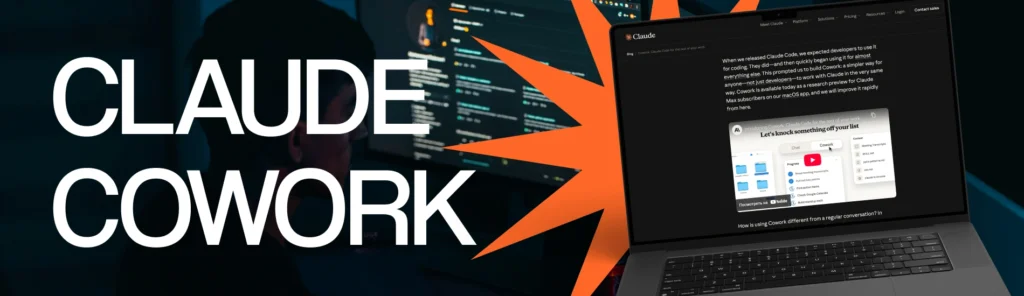
5 февраля 2026 года, вероятно, войдет в учебники по финансам как день, когда участники индустрии SaaS (Software as a Service) столкнулись со своим апокалипсисом и смогли почувствовать себя в роли динозавров, увидевших в небе приближающийся астероид. Релиз Claude Cowork от Anthropic стал важным триггером, который заставил Уолл-стрит пересчитать математику за последние 15-20 лет. По оценкам аналитиков, совокупная капитализация публичных SaaS-компаний снизилась более чем на $300 млрд.
Что случилось?
В основе SaaS лежит священная корова – «pay-per-seat» (оплата за место). Чем крупнее компания, тем она больше закупает лицензий для программ Salesforce, Trello, Slack, Notion, Intercom, Canva, Figma, HubSpot и других. Продажа лицензий и подписок является основным источником прибыли для индустрии SaaS. Так рынок существовал десятилетия.
Однако индустрия уже несколько лет двигалась к перегреву. Корпоративные клиенты устали от раздутых SaaS-стеков, в которых насчитывались десятки сервисов. У каждой команды – свой инструмент, у каждого процесса – отдельная подписка, у каждого пользователя – свой логин. Это было удобно продавцам софта, но все менее удобно покупателям.
Теперь маятник качнулся в другую сторону. Компании все чаще хотят не инструменты, а результат. Не еще одну панель управления, а автоматизацию процесса целиком. Не оплату «за пользователя», а понятную ценность для бизнеса. И именно здесь AI-агенты попали в самую главную боль рынка: они обещают эффективность и снижение издержек.
Главной причиной для паники стал накопившийся эффект, а вот релиз Claude Cowork от Anthropic просто стал сигнальной ракетой, которую уже невозможно не увидеть. За последние месяцы автономные AI-агенты сделали заметный скачок: они перестали быть просто умными помощниками и все чаще начинают выполнять работу самостоятельно. Там, где раньше нужен был человек с набором инструментов, теперь все чаще хватает одного ИИ-сервиса, который берет задачу целиком – от анализа до готового результата.
И вот появляется ИИ-агент, который, условно говоря, в ряде рутинных процессов может заменить 20 человек. Теперь компании больше не нужно 20 лицензий. Ей нужна одна – для администратора, который присматривает за роботами.
Как результат, выручка SaaS-гигантов, завязанная на количестве «подписок», начинает схлопываться. На этом фоне особенно уязвимыми оказались так называемые «тонкие» SaaS-продукты – сервисы, которые решают очень узкую задачу и почти не имеют уникальных данных.
Как выразился основатель инвестиционного фонда Altimeter Capital Брэд Герстнер: «Мы платили за инструменты для людей, но людей в интерфейсах становится все меньше».
Vibe Coding наступает на пятки
Раньше, если компании нужен был инструмент для офисных задач, будь то бизнес-планировщик или программа для учета товара, она покупала подписку на готовое решение от вендоров за $50/мес на сотрудника. Однако Vibe Coding меняет правила игры.
С помощью современных LLM технически подкованный менеджер среднего звена может создать работающее приложение за пару часов по крайней мере для внутренних и не критичных задач. Зачем платить за софт с избыточным функционалом и сложным UX, если можно собрать «под себя» бесплатно?
Если раньше SaaS-компании соревновались в том, у кого удобнее интерфейс (UX), то теперь это начинает терять значение в ряде сценариев. Агенты не смотрят на интерфейс, они смотрят на данные.
Таким образом, тысячи микро-SaaS сервисов внезапно оказались гораздо менее ценными – их функционал стал «базовой функцией» в рамках нейросетей.
Кто вымрет, а кто останется?
В индустрии появился термин AI Orchestrator. Это разработчик, который не пишет код руками, а проектирует архитектуру взаимодействия десятков агентов.
Зарплаты «просто кодеров» обвалились, но спрос на тех, кто сможет внедрить Claude Cowork в сложные бизнес-процессы, вырос в 4 раза за две недели.
По мнению экспертов, индустрия вышла из фазы «ИИ как помощник» в эпоху «ИИ как коллега».
Уолл-стрит начала оценивать софтверные компании не по выручке, а по «глубине удержания данных». Если пользователи могут легко мигрировать свой Vibe Code на другую модель – акции компании летят вниз.
– ИИ позволяет нам разрабатывать ПО со скоростью света, – считает CEO Mistral AI Артур Менш. – В будущем при наличии правильной инфраструктуры больше половины нынешнего корпоративного SaaS-рынка может быть вытеснено ИИ-инструментами. Компании сегодня стоят перед выбором между устаревшими IT-системами и современными ИИ-альтернативами. Уже более 100 корпоративных клиентов обращаются к нам именно с запросом на «реплатформинг» – модернизацию своих IT-систем.
Что будет дальше
Но говорить о смерти SaaS – серьезное преувеличение. Котировки многих компаний после панического обвала начали восстанавливаться. Бизнес-процессы никуда не исчезают, корпоративные системы по-прежнему сложны, а требования к безопасности, интеграциям и комплаенсу только растут. Крупные компании не могут и не будут управлять критическими операциями через один универсальный чат-интерфейс. Им по-прежнему нужна инфраструктура, платформы и специализированный софт.
Скорее всего, мы наблюдаем не обнуление рынка, а его жесткую селекцию. Сильные платформенные игроки чувствуют себя относительно уверенно, вертикальные решения с глубокой отраслевой экспертизой тоже сохраняют позиции. А вот продукты без уникальных данных, без сложных интеграций, без сетевых эффектов – попадают в зону риска.
Параллельно меняется и экономика SaaS. Модель оплаты «за пользователя в месяц», которая десятилетиями была золотым стандартом, постепенно теряет универсальность. Когда одну задачу может выполнить автономный агент, считать места становится бессмысленно. Рынок осторожно движется к оплате за использование, объем обработки или даже за достигнутый бизнес-результат. Это станет глобальным трендом на годы вперед.
По мнению экспертов:
– Выживут те, у кого есть уникальные данные (ServiceNow, Palantir). ИИ без данных – это просто умный калькулятор.
– Денежные потоки теперь перетекают из «приложений» в «вычисления» (Compute).
– Будущее за теми разработчиками, кто берет деньги не за «вход в систему», а за «решенную задачу».
Поэтому SaaSpocalypse – это плохое название для того, что происходит. Апокалипсиса нет. Есть болезненный переходный возраст огромной индустрии, которая слишком долго росла на дешевом капитале и удобной подписочной модели. Сейчас рынок вспоминает базовую истину: платить будут не за наличие софта, а за реальную ценность.
CRM for Client Management: Improve Customer Relationships and Business Growth
Introduction
Customer relationships are the foundation of every successful business. Managing client data, communication, and sales opportunities manually can become overwhelming as businesses grow. A CRM for Client Management helps companies organize and track every interaction with customers.
Platforms like Renown System provide advanced tools that enable businesses to manage clients effectively while improving communication and service quality.
What is CRM for Client Management?
A Client Management CRM is a system designed to store, organize, and manage customer information. It allows businesses to track client interactions, monitor sales opportunities, and maintain strong relationships with customers.
With CRM software, companies can access complete customer profiles, communication history, and purchase records in one place.
Key Features of Client Management CRM
Centralized Customer Database
All client information is stored in a single system, making it easy for teams to access and update records.
Interaction Tracking
Businesses can track emails, phone calls, meetings, and support requests with clients.
Sales Pipeline Management
CRM systems help track leads, opportunities, and deal stages.
Customer Support Tools
Businesses can manage support tickets and resolve issues faster.
Reporting and Analytics
CRM dashboards provide insights into sales performance and customer behavior.
Benefits of Client Management CRM
Better Customer Relationships
CRM systems help businesses understand customer needs and provide personalized services.
Increased Sales Efficiency
Sales teams can track leads and manage deals more effectively.
Improved Communication
All team members have access to client information, improving collaboration.
Data-Driven Decision Making
CRM analytics help businesses identify trends and opportunities.
Solutions like Renown System combine CRM functionality with business management tools, making client management easier.
Why Renown System is a Powerful Client Management CRM
Renown System provides businesses with an all-in-one platform that includes:
Client data management
Sales pipeline tracking
Automated workflows
Business analytics
Customer communication tools
These features allow businesses to maintain strong client relationships while improving operational efficiency.
Conclusion
A CRM for Client Management helps businesses build stronger relationships with customers while improving sales and service efficiency. With powerful platforms like Renown System, companies can manage client interactions, track opportunities, and drive long-term business growth.
FAQs
What is CRM for client management?
It is software that helps businesses organize and manage customer data, interactions, and sales processes.
How does CRM improve customer relationships?
CRM systems provide a complete view of customer interactions, helping businesses deliver personalized services.
Can small businesses use CRM software?
Yes, CRM systems like Renown System are designed to support businesses of all sizes.
How Startups Accidentally Give Away Rights Through Agreements
Startups move fast. Founders focus on building products, getting users, and raising funding. In this rush, many early agreements are signed quickly without fully understanding the legal consequences. Unfortunately, small clauses inside routine contracts can quietly transfer ownership, limit future growth, or give outside parties control over key business decisions.
Many founders only discover these problems later during investor due diligence. By that time, fixing the issue can be difficult or expensive.
Here are some of the most common ways startups accidentally give away important rights.
Intellectual Property Problems in Early Hiring
Startups often hire freelancers or early developers before formal legal systems are in place. If contracts are not drafted carefully, the intellectual property created by those workers may belong to them instead of the company.
A common example is when a developer builds the core product but the agreement does not contain a proper IP assignment clause. In that situation, the developer may legally own the source code.
When investors review the company later, they may discover the startup does not actually own its own technology.
Best practice • Use clear work for hire and IP assignment clauses • Ensure founders employees and contractors assign intellectual property to the company • Keep written agreements for all contributors
Early Investor Agreements That Limit Future Funding
Many startups accept early funding from angels or accelerators. While these deals may look simple, they sometimes include clauses that affect future fundraising.
Common examples include • Pro rata investment rights • Board seats • Veto rights over major decisions • Most Favored Nation clauses
These terms may give early investors more control than expected. Later venture capital investors may hesitate to invest if too many parties already have decision making power.
Exclusive Partnership Agreements
Startups sometimes sign exclusive partnerships to grow quickly. While these deals may provide early traction, exclusivity can create long term restrictions.
For example, a startup might grant one distributor exclusive rights to sell its product in an entire region. If the company later wants to expand with multiple partners, the exclusivity clause may prevent it.
Best practice • Limit exclusivity where possible • Use shorter agreement durations • Include performance conditions
Licensing Instead of Owning Technology
Some startups build products using technology licensed from universities labs or other companies. While licensing can speed up development, it can also create serious risks.
Licenses may include • Royalty payments • Territory restrictions • Termination clauses
If the license is terminated, the startup could lose the legal right to sell its own product. This situation can be extremely risky during fundraising or acquisition negotiations.
Open Source License Risks
Developers frequently use open source software to build products faster. However, some open source licenses include strict conditions.
Certain licenses require companies to publicly release their own source code if they distribute software built using that code. If founders are unaware of these requirements, they may accidentally lose their proprietary advantage.
Best practice • Track all open source components used in development • Review license requirements carefully • Maintain proper compliance documentation
Platform Terms That Control Your Business
Many startups build products on major platforms such as mobile ecosystems or online marketplaces. While these platforms provide access to large audiences, their terms of service can include powerful rights.
For example, some platforms may • Access or analyze your data • Restrict how you use APIs • Introduce competing features
This has affected several startups that relied heavily on platform ecosystems for their growth.
Joint Development Agreements
Startups sometimes collaborate with larger companies to develop technology together. Without clear contracts, this collaboration can result in shared intellectual property ownership.
Shared ownership can create problems because neither party may be able to sell or license the technology without the other’s approval. Investors and potential acquirers usually prefer companies with clear and exclusive ownership of their technology.
Founder Agreements Missing Key Protections
In the excitement of launching a startup, founders sometimes skip formal agreements entirely. This can lead to disputes later.
Important clauses often missing from early founder agreements include • Equity vesting schedules • Intellectual property assignment • Decision making rules • Exit procedures
If a founder leaves early but still holds a large ownership stake, it can create challenges for future investors.
Overly Broad Non Disclosure Agreements
NDAs are often used to protect confidential information, but poorly written NDAs can create unexpected problems.
Some NDAs include clauses that claim ownership over ideas discussed during meetings. Others restrict future product development in related areas.
Founders may accidentally give away rights to innovations simply by signing an overly broad NDA.
Why This Matters for Startup Growth
Investors and acquirers conduct detailed legal due diligence before committing capital. They review contracts to ensure the startup actually owns its technology, data, and intellectual property.
If agreements show that key rights belong to employees partners or external platforms, deals may fall apart.
For this reason many experienced founders follow a simple principle.
Own your intellectual property. Control your equity. Avoid permanent exclusivity in the early stages.
Building strong legal foundations early helps startups scale safely and attract long term investment.
I hate subscription-only software with a burning passion. No, I don’t want to sign up to your premium plan so I can use basic features in your stupid fucking cloud-based software. It’d be significantly cheaper for users AND THE DEVS if you didn’t do that. But no, it’s gotta be about making Number Go Up and thereby screwing over every potential user by dangling a 9.99 monthly price over our heads like that’s somehow doing us a favor.
How to Streamline SaaS Onboarding for Better Customer Success
In the SaaS world, the first experience a customer has with your product can determine whether they stay or leave. A well-designed onboarding process helps users understand the value of your software quickly and builds trust from the very beginning.
This insightful article by Tonika Bruce explains how businesses can simplify and optimize their SaaS onboarding process to improve customer satisfaction and long-term retention. Effective onboarding focuses on guiding users to their first meaningful success often called the “aha moment” where they clearly see the product’s value.
Strategies like personalized onboarding flows, interactive tutorials, and automated guidance can help customers adopt the product faster and reduce churn. When users quickly experience value, they are more likely to stay engaged and continue using the platform.
Whether you run a SaaS startup or manage customer success teams, improving onboarding can be one of the most powerful ways to strengthen customer relationships and drive growth.
Question for readers: What do you think matters most in SaaS onboarding clear guidance, fast value delivery, or strong customer support?
Sales and Lead Management Tools for Business Growth
Introduction
Sales and lead management tools help businesses capture, track, and convert potential customers into loyal clients. These tools allow sales teams to organize leads, manage communication, and close deals more efficiently.
With increasing competition in digital markets, businesses need powerful systems to track sales activities and ensure no opportunity is missed.
What Are Sales and Lead Management Tools?
Sales and lead management tools are software platforms designed to track customer prospects and manage the entire sales pipeline. These tools help businesses capture leads from websites, emails, social media, and marketing campaigns.
They also allow sales teams to track interactions and monitor deal progress.
Key Features
Lead Capture
Automatically capture leads from online forms, landing pages, and marketing campaigns.
Lead Tracking
Monitor where each lead is in the sales funnel.
Sales Pipeline Management
Visual dashboards help sales teams track deals from initial contact to closing.
Automated Follow-Ups
Automated emails and reminders help ensure timely communication with leads.
Reporting
Sales reports provide insights into conversion rates and sales performance.
Benefits of Sales and Lead Management Tools
Better Lead Organization
All leads are stored in one place, making it easier to track and manage them.
Higher Conversion Rates
Sales teams can respond quickly to potential customers.
Improved Sales Efficiency
Automation reduces manual work and allows teams to focus on selling.
Accurate Sales Forecasting
Analytics help predict future sales trends.
Conclusion
Sales and lead management tools are essential for businesses looking to increase revenue and improve customer acquisition. By organizing leads, automating follow-ups, and providing valuable insights, these tools empower sales teams to perform at their best.
FAQs
1. What is lead management? Lead management is the process of capturing, tracking, and nurturing potential customers until they become clients.
2. Why are sales tools important? Sales tools help teams manage pipelines, track leads, and improve conversion rates.
3. Can lead management tools automate communication? Yes, many tools offer automated emails and follow-up reminders.
4. Do small businesses need sales management tools? Yes, they help small businesses manage leads more effectively.
Businesses often work with vendors to support operations, supply products, or provide services. In the early stages of a company, these relationships sometimes begin informally. Owners may rely on verbal agreements, emails, or personal trust instead of formal contracts.
While this approach may seem faster and easier, it can create serious problems later. Many organizations eventually discover that Informal Vendor Relationships Create Long Term Risk as their business grows.
Companies that rely on undocumented agreements may face legal disputes, supply chain disruptions, and compliance challenges. Understanding why Informal Vendor Relationships Create Long Term Risk is important for building a stable and scalable business.
Why Informal Vendor Relationships Create Long Term Risk for Businesses
Vendor relationships play a critical role in business operations. Suppliers, service providers, and contractors help companies deliver products and services to customers.
However, when these relationships are not supported by clear contracts and documented expectations, Informal Vendor Relationships Create Long Term Risk across multiple areas of the business.
Without formal agreements, companies lose clarity, accountability, and legal protection.
Lack of Legal Protection
One of the biggest reasons Informal Vendor Relationships Create Long Term Risk is the absence of clear legal documentation.
When agreements are informal, important details may never be clearly defined. This can include payment schedules, delivery timelines, or service standards.
Without written contracts: • Responsibilities may be misunderstood • Payment terms may be disputed • Service expectations may differ
When conflicts arise, businesses may struggle to prove what was originally agreed upon. Courts and legal systems rely heavily on documented agreements. This is why Informal Vendor Relationships Create Long Term Risk when disputes occur.
The long term impact can include financial losses, contract disputes, and expensive legal proceedings.
Hidden Supply Chain Risks
Another reason Informal Vendor Relationships Create Long Term Risk is the lack of visibility within the supply chain.
Informal arrangements sometimes introduce vendors who have not been fully evaluated or approved. These suppliers may operate outside the company’s official procurement process.
This creates what some experts call a “shadow supply chain.”
Shadow vendors may: • Operate without proper verification • Bypass compliance or security checks • Supply critical components without oversight
When businesses do not track their vendor network carefully, unexpected disruptions can occur. This demonstrates how Informal Vendor Relationships Create Long Term Risk in operational stability.
Poor Vendor Accountability
Accountability is another major issue. Clear vendor relationships typically include contracts, service level agreements, and performance expectations.
Without these tools, Informal Vendor Relationships Create Long Term Risk because vendors may not feel fully responsible for performance standards.
Common problems include: • Late product deliveries • Inconsistent service quality • Missed deadlines • Communication breakdowns
When expectations are unclear, vendors and businesses may have completely different assumptions about what the partnership requires.
Over time, this lack of accountability reduces efficiency and increases operational costs.
Compliance and Regulatory Exposure
Many industries require organizations to maintain documentation for procurement activities. This includes records of supplier agreements, compliance checks, and vendor responsibilities.
When companies rely on informal arrangements, Informal Vendor Relationships Create Long Term Risk in regulatory compliance.
Possible issues include: • Missing documentation during audits • Lack of procurement records • Failure to meet industry regulations
Regulators often expect companies to demonstrate proper vendor management. If documentation is incomplete, businesses may face investigations or penalties.
This compliance exposure is another example of how Informal Vendor Relationships Create Long Term Risk for organizations operating in regulated industries.
Reputational Damage
Vendor actions can directly affect a company’s public image. Even if a supplier operates independently, customers often associate the vendor’s actions with the company itself.
When companies fail to evaluate vendors properly, Informal Vendor Relationships Create Long Term Risk for brand reputation.
Problems may arise if vendors engage in: • Poor labor practices • Environmental violations • Unsafe production standards • Delivery of defective products
If these issues become public, businesses may experience negative media coverage or customer backlash.
Reputation is difficult to rebuild once trust is damaged, which shows again why Informal Vendor Relationships Create Long Term Risk.
Strategic Growth Limitations
Businesses that depend on long standing informal vendor relationships may eventually face strategic limitations.
Over time, these partnerships can become stagnant. Vendors may stop improving their services because expectations are never formally reviewed.
This creates another scenario where Informal Vendor Relationships Create Long Term Risk.
Possible outcomes include: • Reduced innovation from suppliers • Over dependence on a single vendor • Declining service quality
Companies that fail to evaluate vendors regularly may miss opportunities to improve efficiency or adopt better solutions.
Operational Inefficiencies
Operational challenges often emerge when vendors operate without formal structures.
Without documented agreements, coordination becomes more difficult. Departments may have different understandings of vendor roles and responsibilities.
These issues further illustrate why Informal Vendor Relationships Create Long Term Risk in daily business operations.
Examples include: • Miscommunication between teams • Delayed procurement decisions • Increased project costs
When operations depend on unclear arrangements, businesses waste time resolving avoidable conflicts.
Preventing Informal Vendor Relationships Create Long Term Risk
Businesses can avoid many of these problems by establishing structured vendor management processes.
The first step is creating formal agreements with every supplier. Contracts should clearly define responsibilities, payment terms, performance expectations, and dispute resolution procedures.
Regular vendor evaluations also help companies maintain accountability and performance standards.
Organizations should also document all vendor relationships, even those that began through personal connections or informal partnerships. Doing so reduces confusion and protects the business from future disputes.
Understanding why Informal Vendor Relationships Create Long Term Risk encourages companies to prioritize transparency, documentation, and accountability in their supply chains.
Before continuing long standing vendor arrangements, businesses should conduct a thorough review of existing partnerships. A proper ensures vendors meet operational, legal, and compliance standards while supporting long term business growth.
Employee Management CRM: The Smart Way to Manage Teams and Boost Productivity
Introduction
In today’s competitive business environment, companies need efficient systems to manage their workforce effectively. An Employee Management CRM helps organizations track employee performance, streamline communication, manage tasks, and improve overall productivity. By integrating employee data with customer relationship tools, businesses can simplify operations and enhance collaboration across departments.
What is an Employee Management CRM?
An Employee Management CRM is a software platform designed to manage employee information, tasks, attendance, and communication in one centralized system. It allows managers to monitor team performance, assign responsibilities, and track progress in real time.
Unlike traditional HR tools, a CRM system integrates employee management with customer data and business operations, making it easier to align employee performance with business goals.
Key Features of Employee Management CRM
1. Employee Data Management
The CRM stores all employee information such as contact details, job roles, documents, and performance records in one place.
2. Task and Project Management
Managers can assign tasks, monitor progress, and track project completion timelines easily.
3. Attendance and Leave Tracking
Modern CRM systems allow companies to monitor employee attendance, manage leave requests, and generate reports automatically.
4. Communication and Collaboration
CRM tools improve communication between teams through messaging systems, shared dashboards, and activity tracking.
5. Performance Monitoring
Businesses can evaluate employee performance with analytics, helping managers make informed decisions.
Benefits of Employee Management CRM
Improved Productivity
Employees can manage tasks efficiently when they have access to clear instructions and deadlines.
Better Team Collaboration
CRM systems allow teams to work together more effectively by sharing updates and information instantly.
Time-Saving Automation
Routine processes like attendance tracking, reporting, and scheduling can be automated.
Better Decision Making
Managers get real-time insights into employee performance and productivity.
How Businesses Use Employee Management CRM
Many companies use CRM systems to track employee performance, manage schedules, assign tasks, and monitor workflow. These tools are widely used by startups, SMEs, and large enterprises to maintain efficient workforce management.
Choosing the Right Employee Management CRM
When selecting a CRM system, businesses should consider factors such as ease of use, scalability, integration capabilities, and customer support.
A good CRM should provide a user-friendly interface, strong data security, and customizable features for different business needs.
Conclusion
An Employee Management CRM helps organizations streamline workforce operations, improve collaboration, and enhance productivity. With the right CRM software, businesses can manage employees more efficiently while focusing on growth and innovation.
FAQs
1. What is an Employee Management CRM? It is a software system used to manage employee information, tasks, attendance, and performance in one platform.
2. How does CRM improve employee productivity? It organizes tasks, tracks performance, and improves communication between teams.
3. Is CRM useful for small businesses? Yes, small businesses can use CRM tools to manage teams and improve workflow.
4. Can CRM track employee performance? Yes, most CRM systems include performance tracking and reporting features.
5. Is employee data secure in CRM software? Most modern CRM platforms use advanced security and encryption to protect data.







 ALT
ALT
